
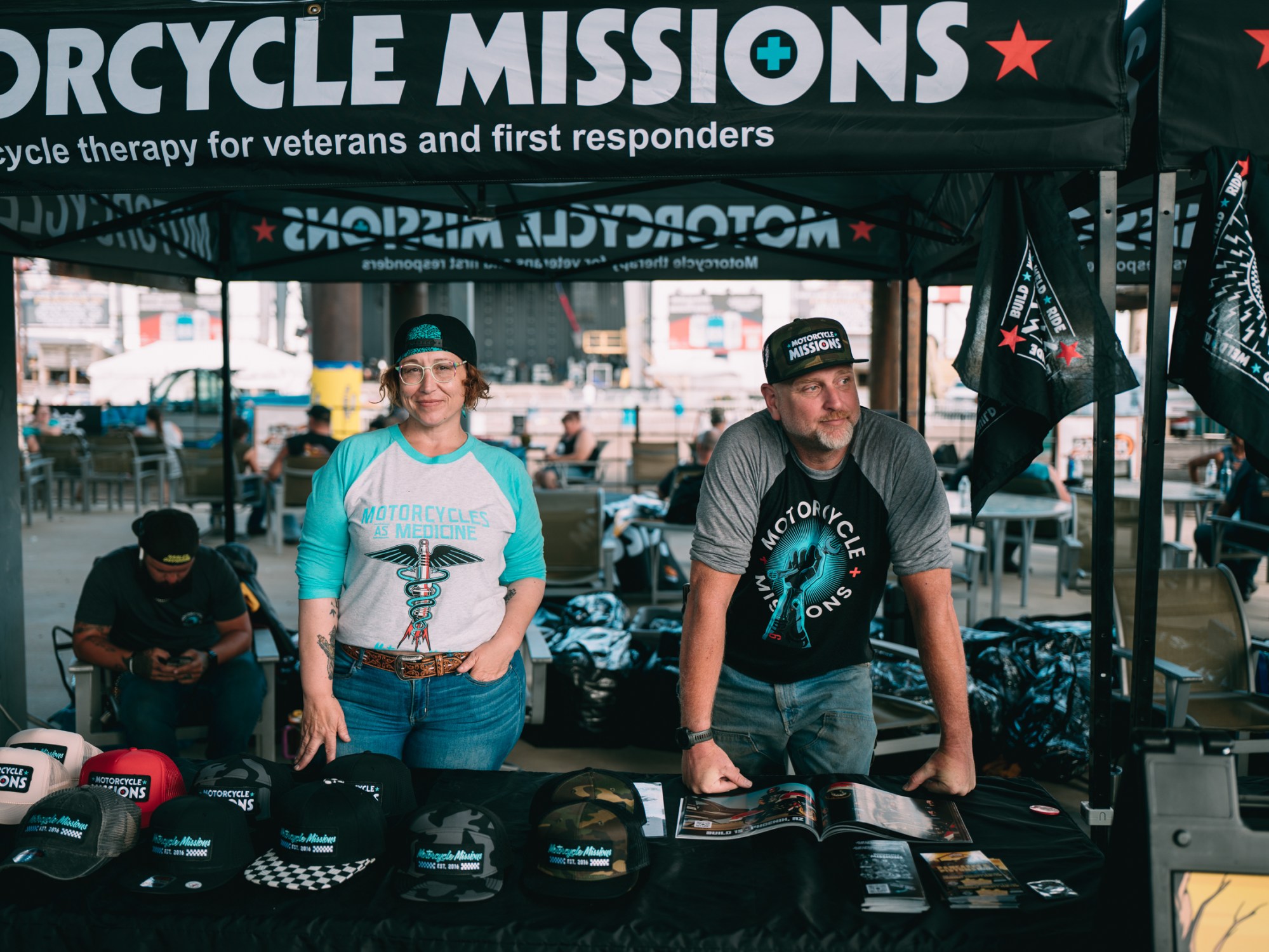
Well it was exhausting, enthralling, wide-ranging, and memorable. That’s actually great news, since the Sturgis Motorcycle Rally isn’t really “my thing.” I don’t like overblown events or large crowds, and I’m not really a “biker” type, despite how avid a motorcyclist I am. But I have bee to Sturgis six or seven times now, always in support of a veteran’s charity that uses motorcycle therapy as a way to reach those in need.
I’ve already covered the ride there and most of the action while at the rally, so I’ll recap a bit and share some photos and memories from the ride home, and my after-action report (a.k.a. reflections).
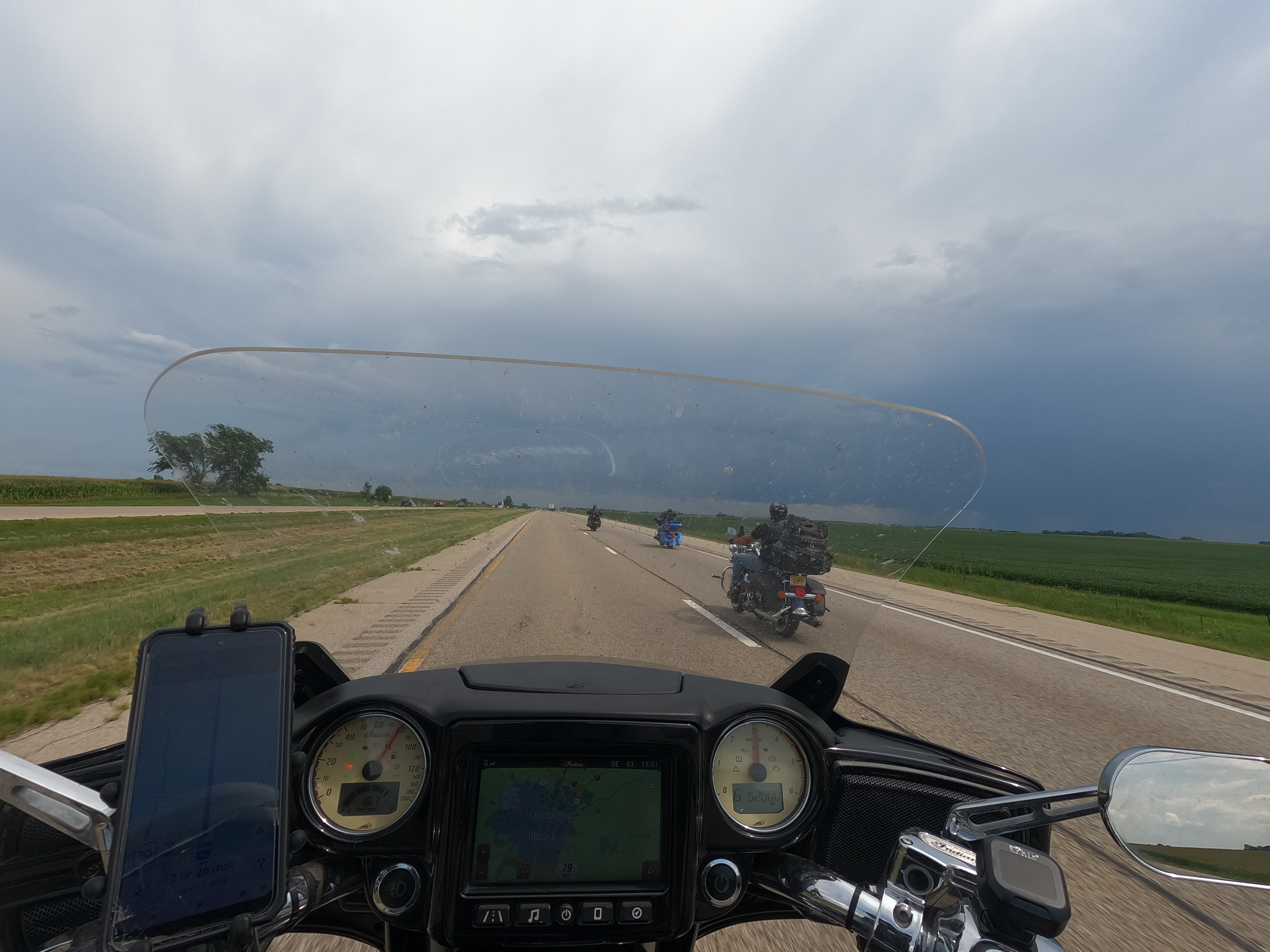
Mission complete: for now
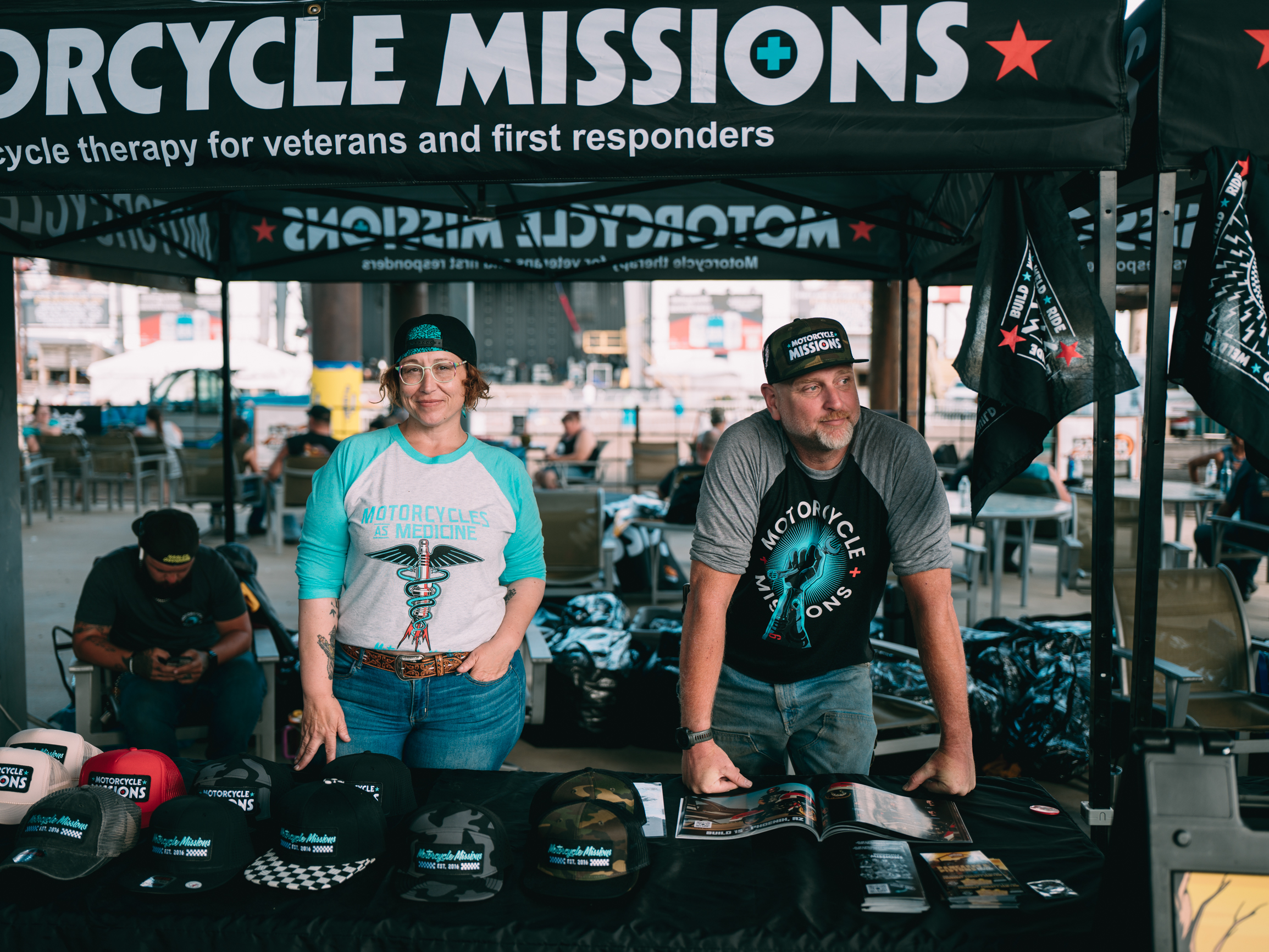
Motorcycle Missions had a fun and productive time. As I said in my previous post, the group was passionate and dedicated, focused and of course still knew how to make volunteer work into a fun time. The last day’s Pancakes & Pistons event was the busiest I had been with them and it was only the inaugural event. It takes awhile to establish anything when there are so many events happening, all day, every day for a full 10-day rally. There are literally between 4-6 free breakfasts each day just in the Sturgis area, and that doesn’t include ones that don’t advertise beyond a sign in front of their church or shop.
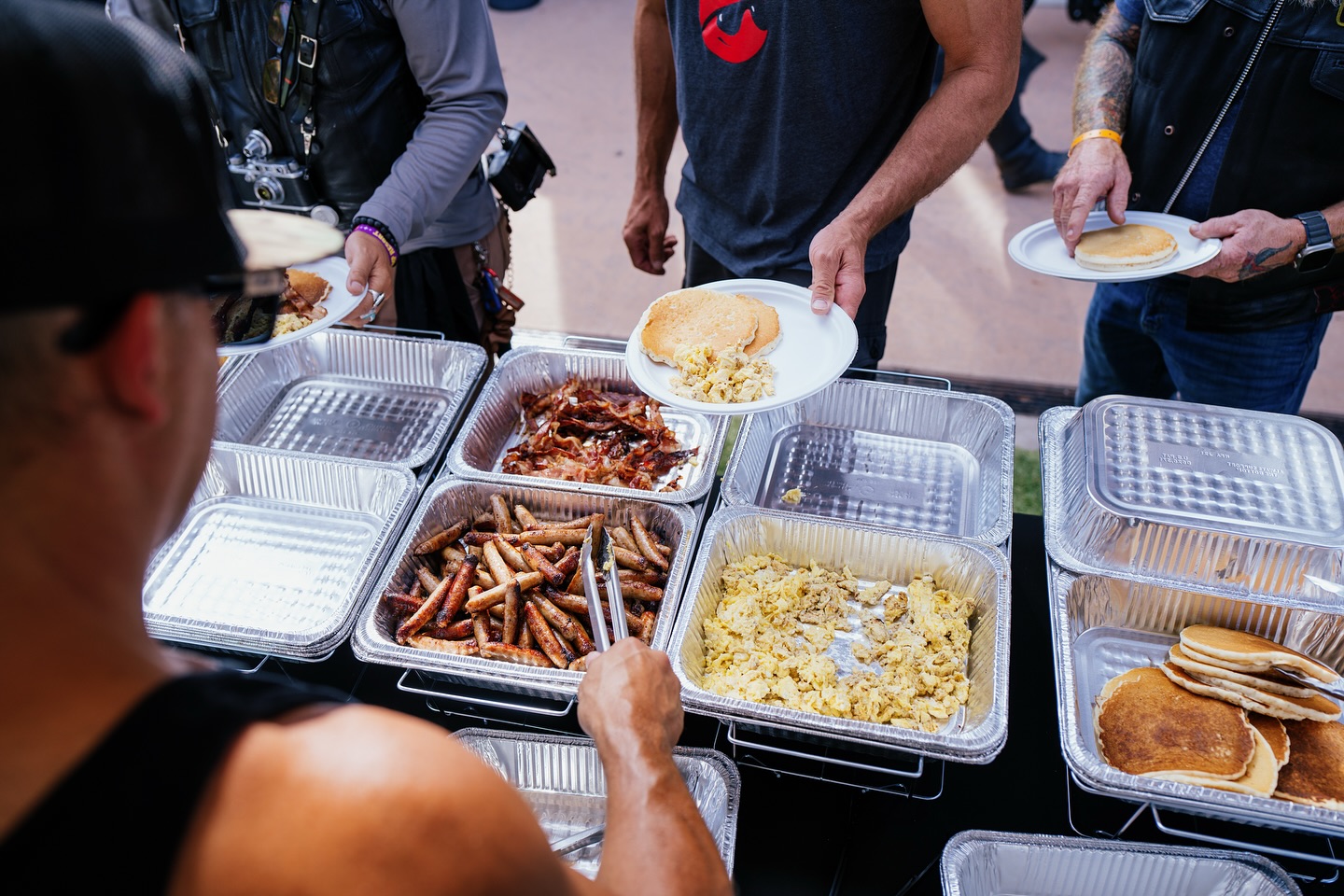
We made good use of Outlaw Square in Deadwood, went to a really cool “not a party, a gathering” in the hills above downtown, and that was that for the most part. I stayed and extra day with my friend Denver so I could get work done, then made my way home, trying to break the 1,450-miles into four days. The first day would have the most interstate and likely the most traffic, though I was a day behind.
On the plus sign, the route was broken up by different stops. First I had to navigate several construction zones. One featured a proper moron of the highest order. He decided no one else was allowed to use the last 3/8-mile of left lane before the merge. If you’re paying attention to life and drive a car, you probably already know traffic engineers say to go up to the merge point and then “zipper merge,” i.e. take turns going.
Of course stupid people think people are cutting in line, and this guy was one of those idiots. He was also pulling a large camping trailer; no doubt he was one of the mouth-breathers heading home from the rally. He tried blocking both lanes and nearly ran another truck off the road, which allowed me to just duck around both of them and head up to the merge point. I know it takes all kinds to make the world go ’round, but I believe there are exceptions to every rule. Incorrect people correcting people is something I have a low threshold for.
Just the same, I made it to #Walldrug, which is sort-of-famous even though it’s just a small town drugstore turned into a roadside Mecca. The town of Wall, SD, doesn’t have much else going on, but the one street their drugstore is on, certainly makes up for it. Of course, it’s really more of a tourist attraction, cafe, donut shop, soda fountain, shopping bonanza. It’s also the type of place to get a pressed penny, which is my only real souvenir since they don’t take up much space on the bike or at home.
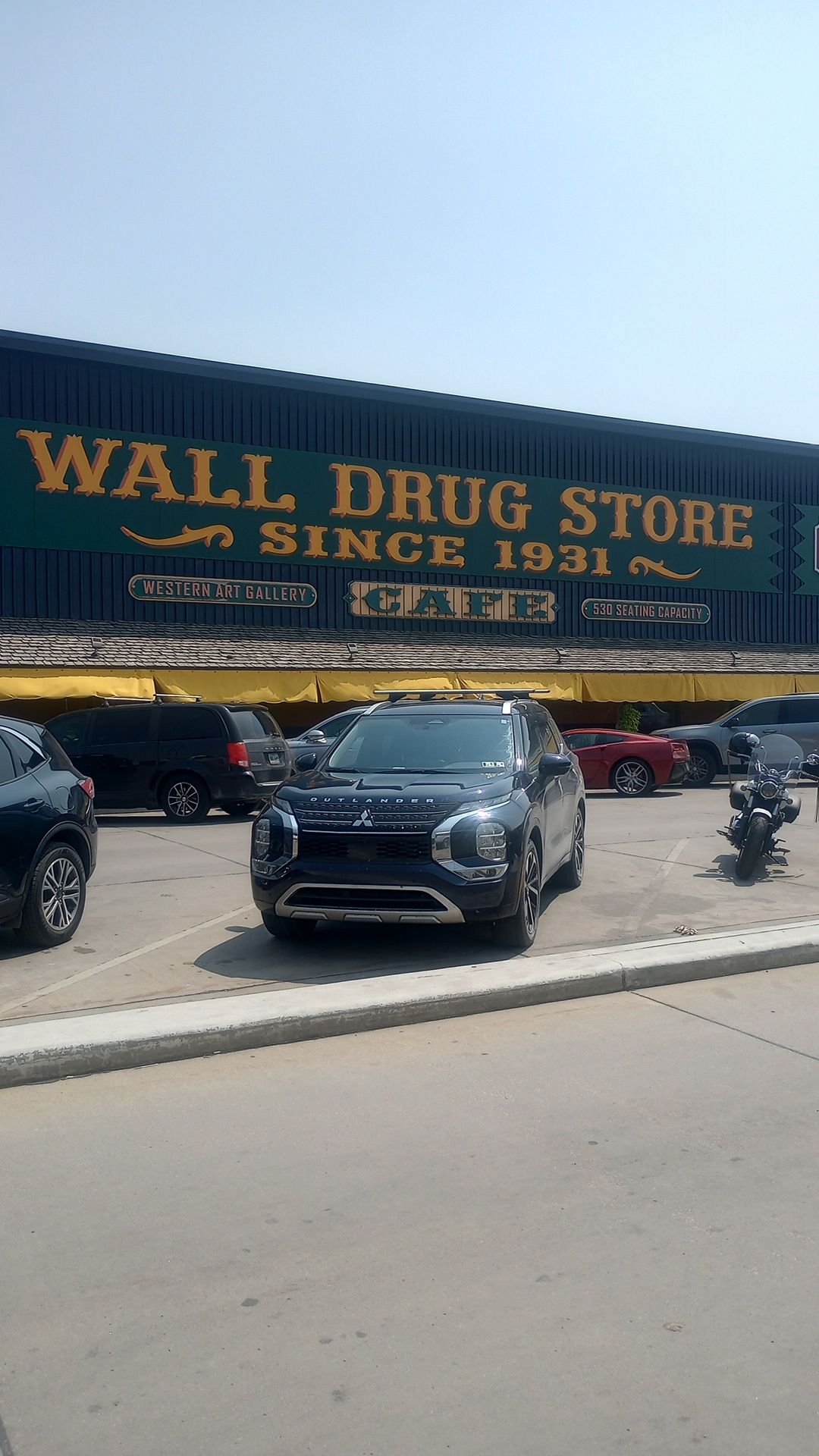
I had already eaten, but saw a sign for free coffee and donut for veterans, so I availed myself of that (really good, old-fashioned plain donuts, by the way) and went looking for the penny press machines. The food did look amazing though, and I nearly went back for an ice cream from the old-timey soda fountain, but decided against it. The next stop was most likely closed, but close enough to the freeway for a look anyways.
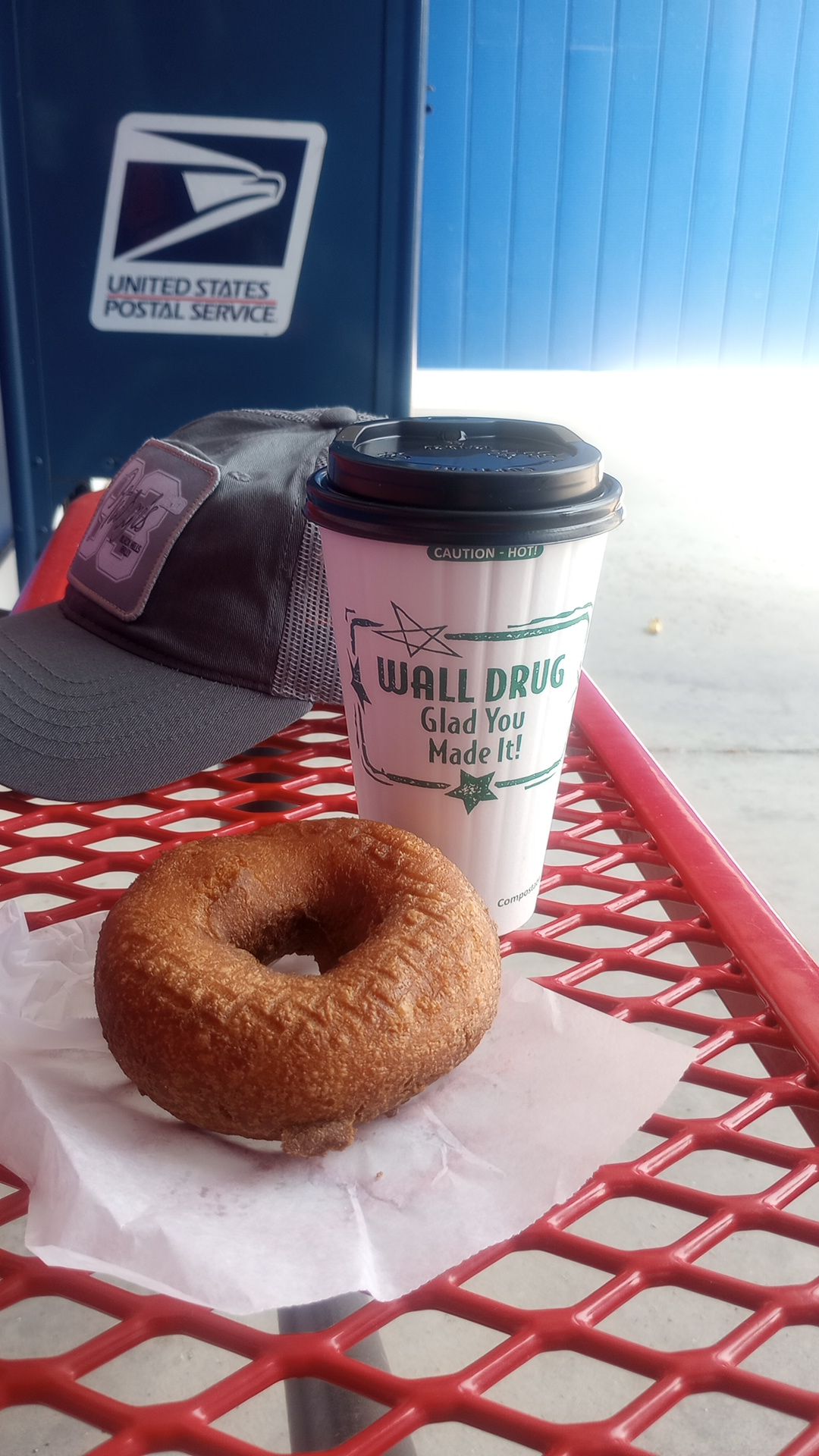 Mmmm….donut….
The Delta-09 silo is an old nuclear missile site, and like most of them, is not much to look at from the surface. Since the site was closed on Sundays, I took a picture that would never suggest there was anything interesting happening and carried on along interstate 90. There’s also an old NORAD command center along the route, but it too is closed on Sunday. Fortunately I had pulled off the super-slab to see some of the South Dakota Badlands and a brief stop to see an old replica of a pioneer homestead, so I was 50/50 for getting to see what I was looking for.
That day ended in Sioux Falls at an EconoLodge, so it was a typical “meh” type of day: touristy stuff, lots of straight roads, but still some good sights and overall better than driving a big rig across country. I got decent sleep but at nothing but gas station food the whole day, so I was low-energy when I got going the next day.
Iowa: the search for curves
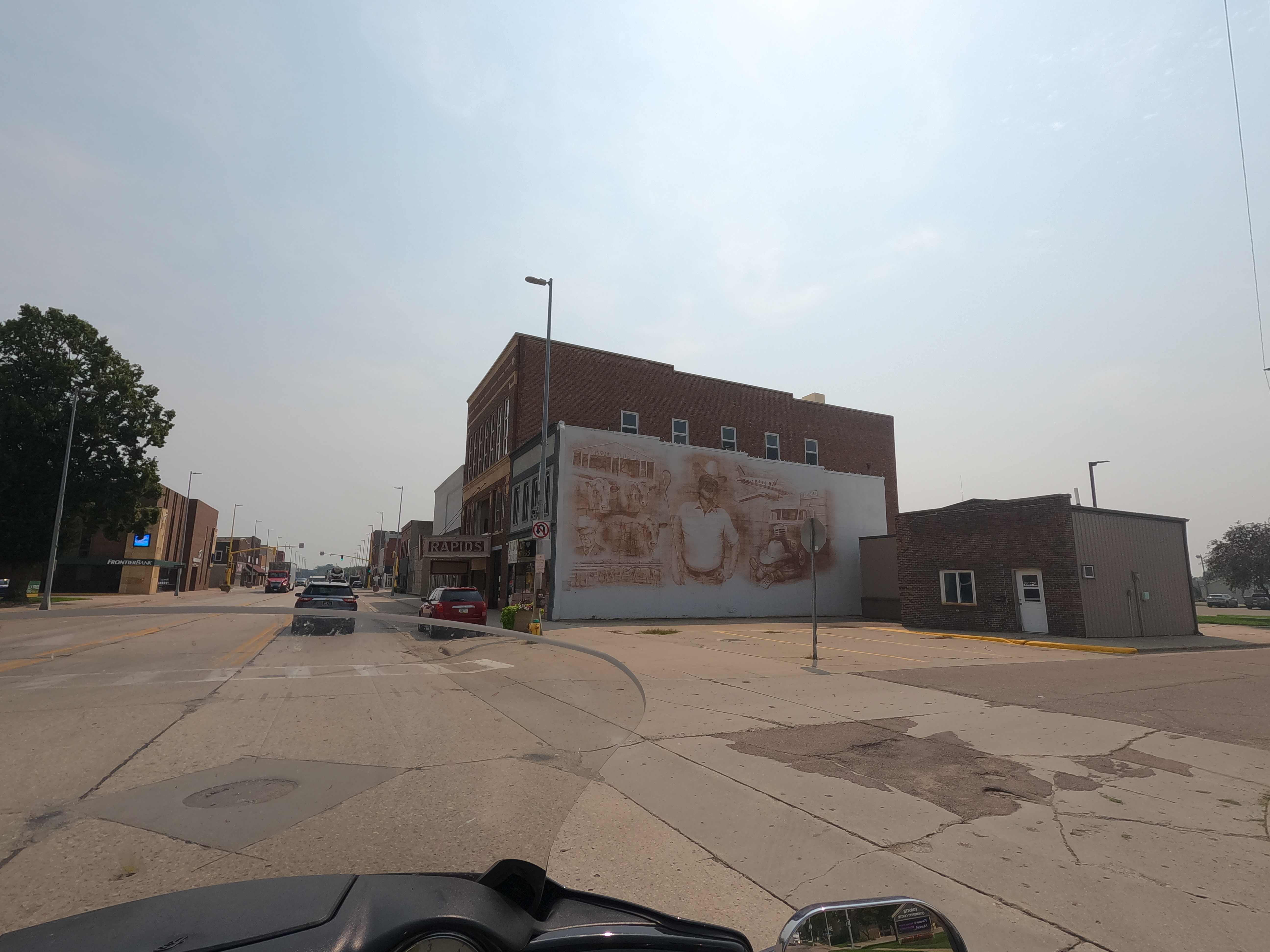
I-90 continued to move through Minnesota, near the border with Iowa, and the mostly-straight turned into the very-straight. One thing I didn’t want to miss though was Spirit Lake though, so I found some county roads and worked south into Iowa. I circled back up briefly to visit some distant relative’s graves, but eventually I zig-zagged my way east. Hwy 9 was closed for a stretch, west of Spirit Lake, but with the grid of roads being as they were, I hopped onto a road paralleling the highway.
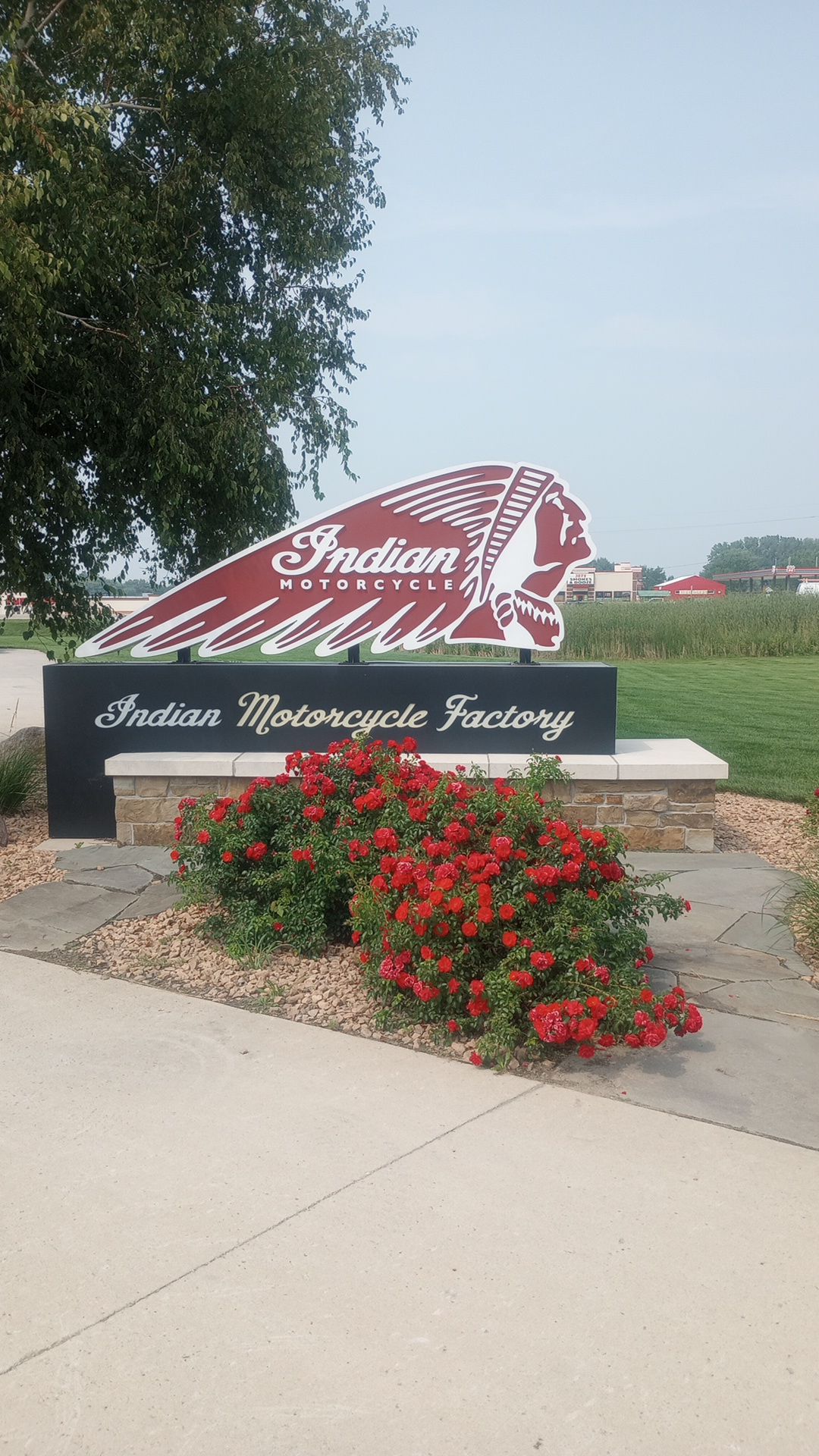
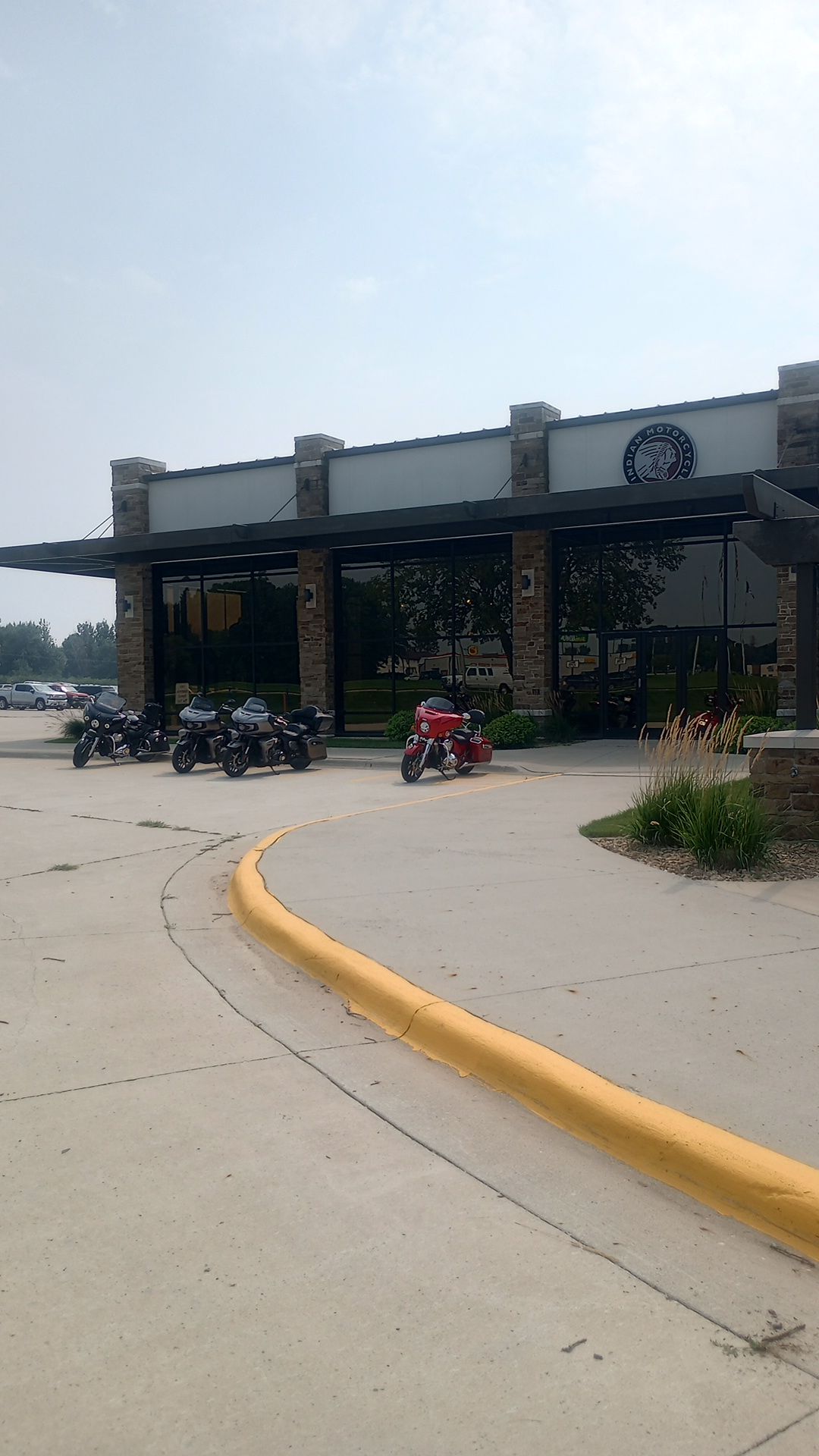
It turned out to be gravel, but it was smooth enough to glide along at 70-mph, so long as I didn’t stare too long at any passing farmhouses or open fields. I didn’t arrive in Spirit Lake until 2:30pm—too late for a factory tour—but they do have a short video you can watch in their front reception area. There’s some cool bikes on display, both vintage and modern, along with several of the current models. I looked at a few souvenirs but avoided dropping money on anything other than a soda from the vending machine.
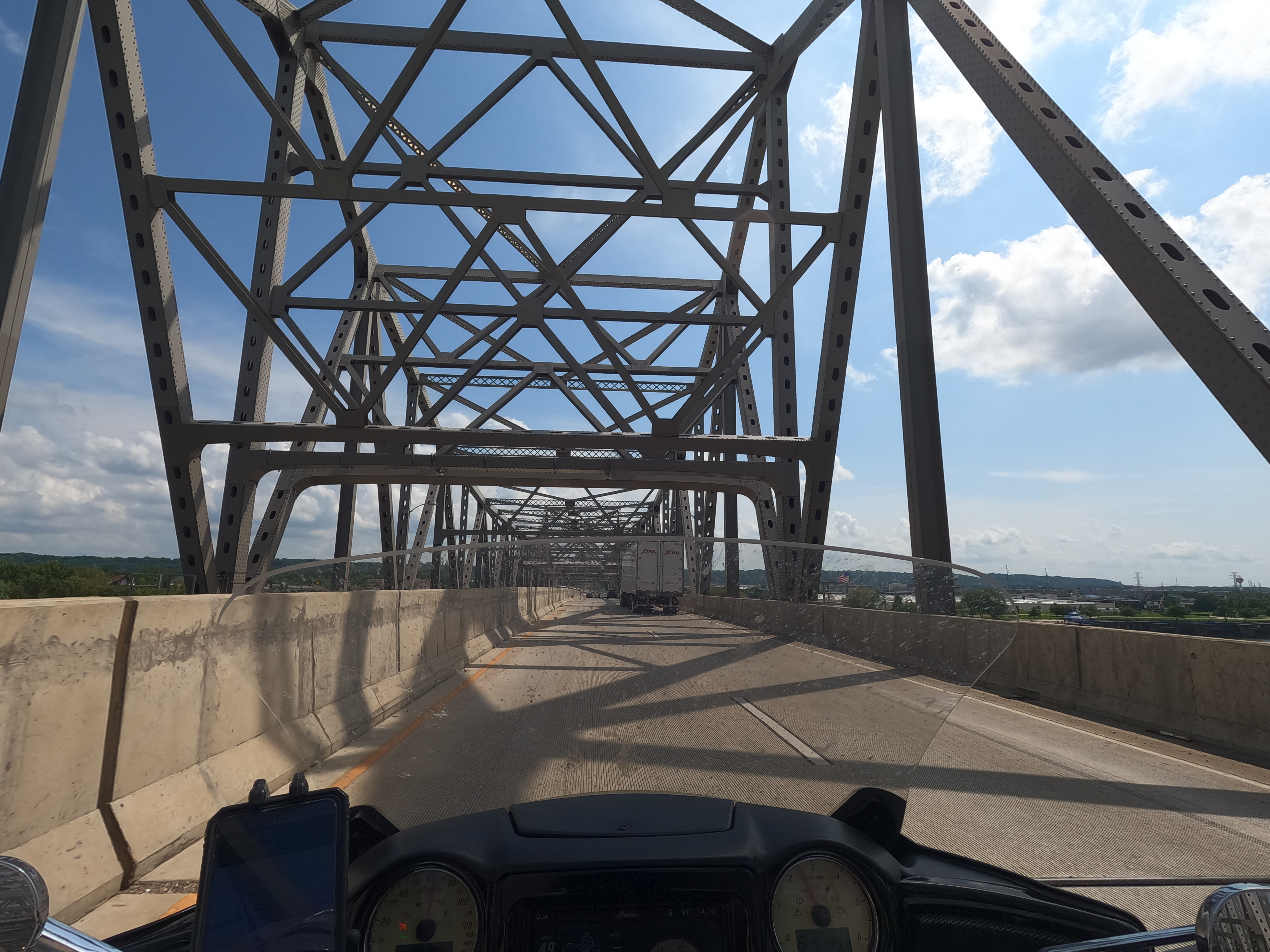
The rest of the day was at least done on backroads, though plenty of state highways are 4-lane and straight, just like the interstate. The only different is turn lanes instead of overpasses and a 65-mph speed limit instead or 75-80-mph. Still I made it to Pairie du Chien, which is on the Wisconsin side of the border with Iowa, which is the Mississippi River.
I wanted to wander down the famous river the next day, knowing both banks would be full of history and modern commerce as well, with Hannibal, Missouri being an important stop; it was the childhood home of Mark Twain. The problem was the river’s course, which wandered west as it flowed south. That would make it a five day trip home, so Hannibal remains on the “one of these days” list.
The next day was also mostly highways and backroads. The interstate wasn’t the fastest way since I wasn’t heading in the direction that commerce flows. There wasn’t much to see though aside from corn and soy fields. Such is western Illinois. By pure chance though I was in Olney, IL, which US-50 runs through. This is the famous “loneliest road in America,” though that refers to the stretch of it in Nevada, along the old Pony Express route. The highway runs from Sacramento, CA to Washington DC though, and I often think about riding its entire length just to enjoy the changing scenery at a slower pace, which seeing the country on a single route.
The O.W.B.
My final day did feature a stop that had been on my list for a very long time. Owensboro, Kentucky isn’t nationally famous like Louisville or Lexington, and those who know it most likely know it as a self-proclaimed “American capital of Bluegrass,” and home to the bluegrass hall of fame and museum. For motorsports fans, it is better known as the breeding ground for motorcycle racing royalty.
While it is mainly Nicky Hayden who obtained world-wide fame, winning the 2006 MotoGP world championship, American fans will know there were three brothers: Nicky, Tommy, and Roger Lee, who all held seats on factory race teams in the US National championship. Nicky had a long-time partnership with Honda, Tommy mostly is known for Suzuki, and Roger Lee Kawasaki. There was also their father Earl Hayden though, who would be in the paddock and moving between his three sons’ pit boxes.
Several cousins and nephews by different names are also NFG’s (known fast guys). Racer Hayden Gillam does not have his first nae by coincidence. The family is also known in flat track, since that’s where most of them were brought up. In an age of 250-hp race bikes with no traction control, the skill of sliding a motorcycle on a clay surface translated to accelerating from a corner on a paved track as well.
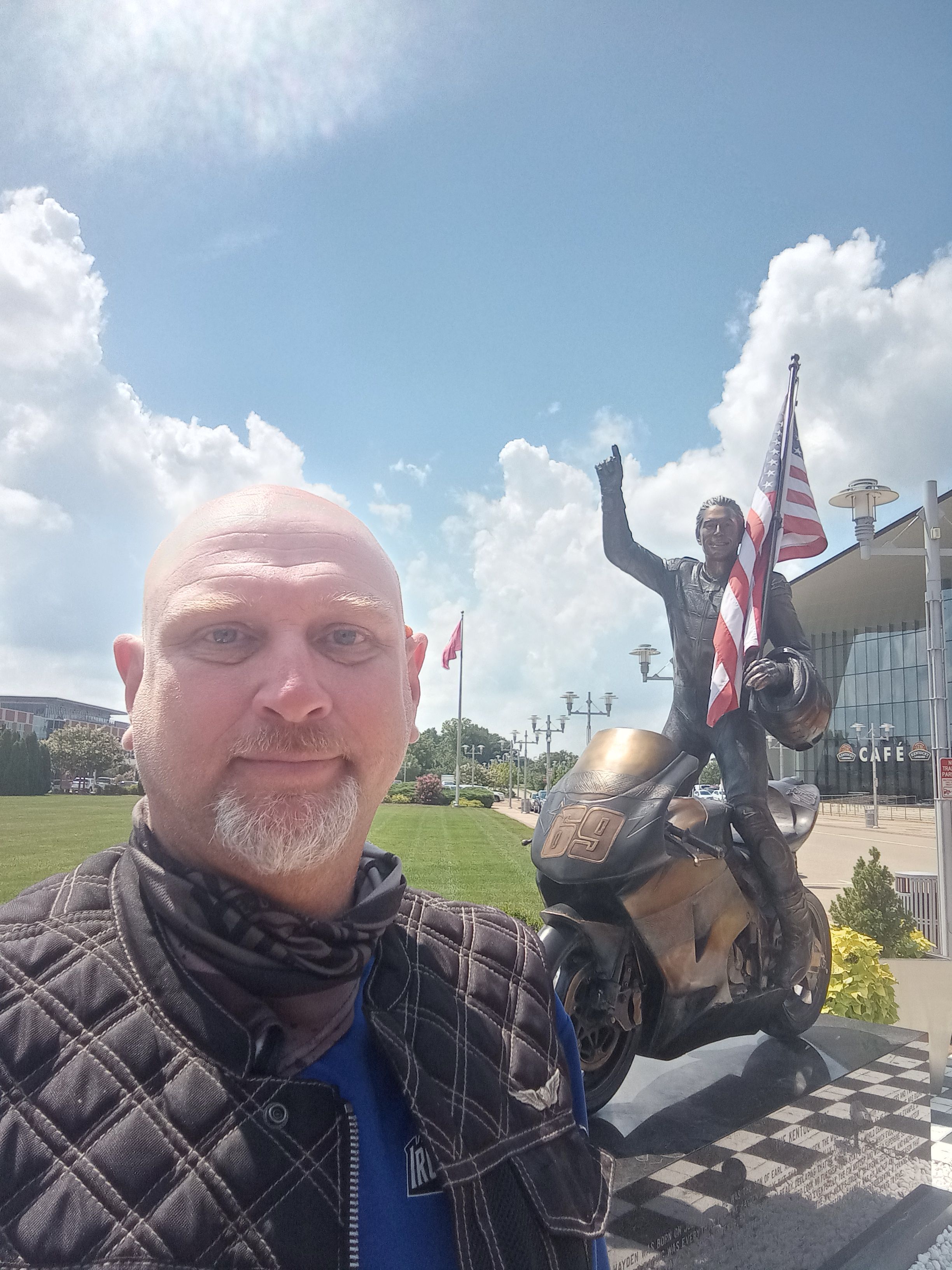
I was too late for the annual memorial ride but stopped to see the Nicky Hayden statue in downtown OWB, near the convention center. Nicky was killed in 2016 when he was struck by a car while training on his bicycle, which deprived the racing world of a happy-go-lucky personality that would have been worth listening to even in retirement (road racers are often out by their mid-thirties, with only a few continuing on at the top level past 40).
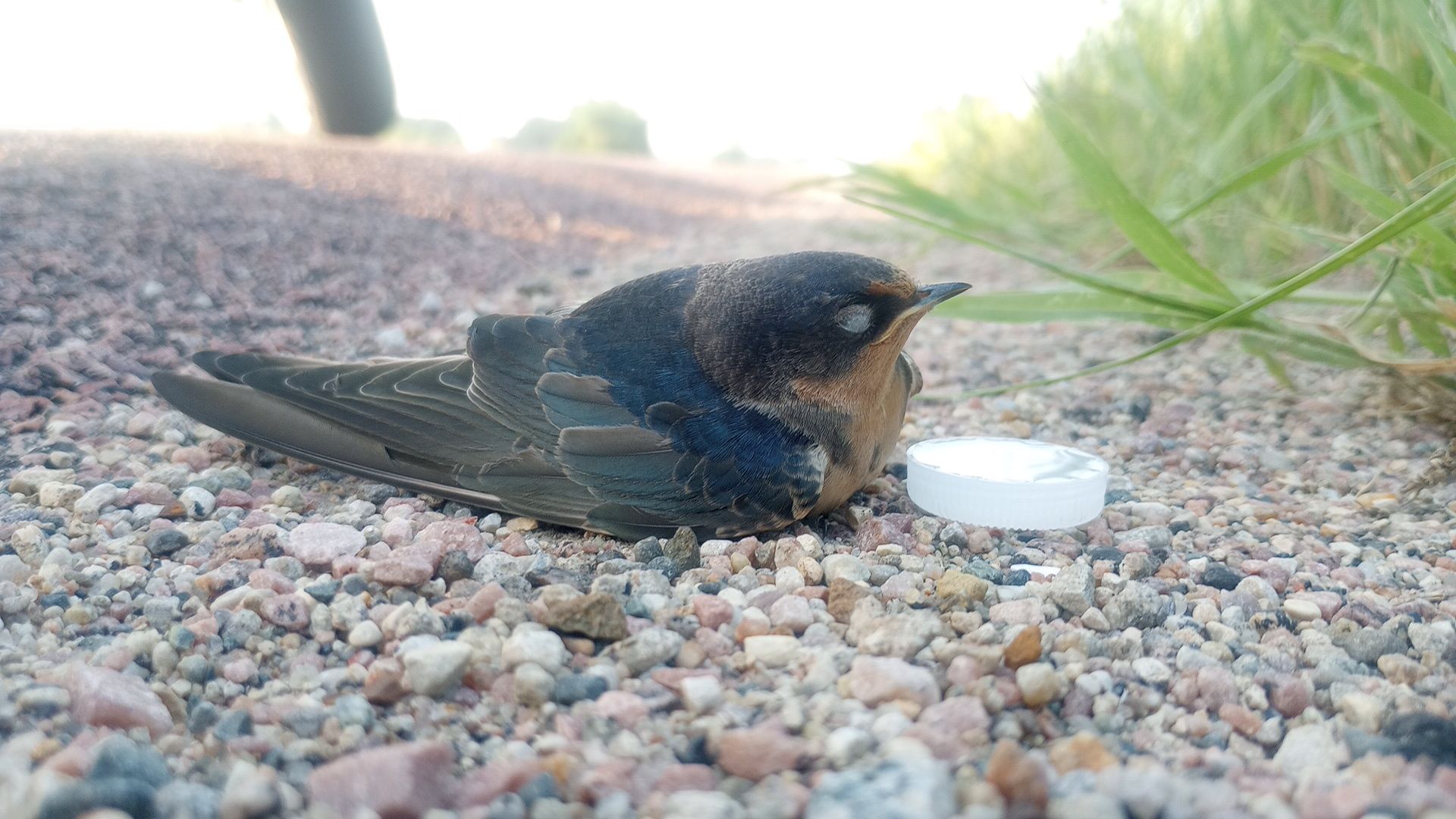
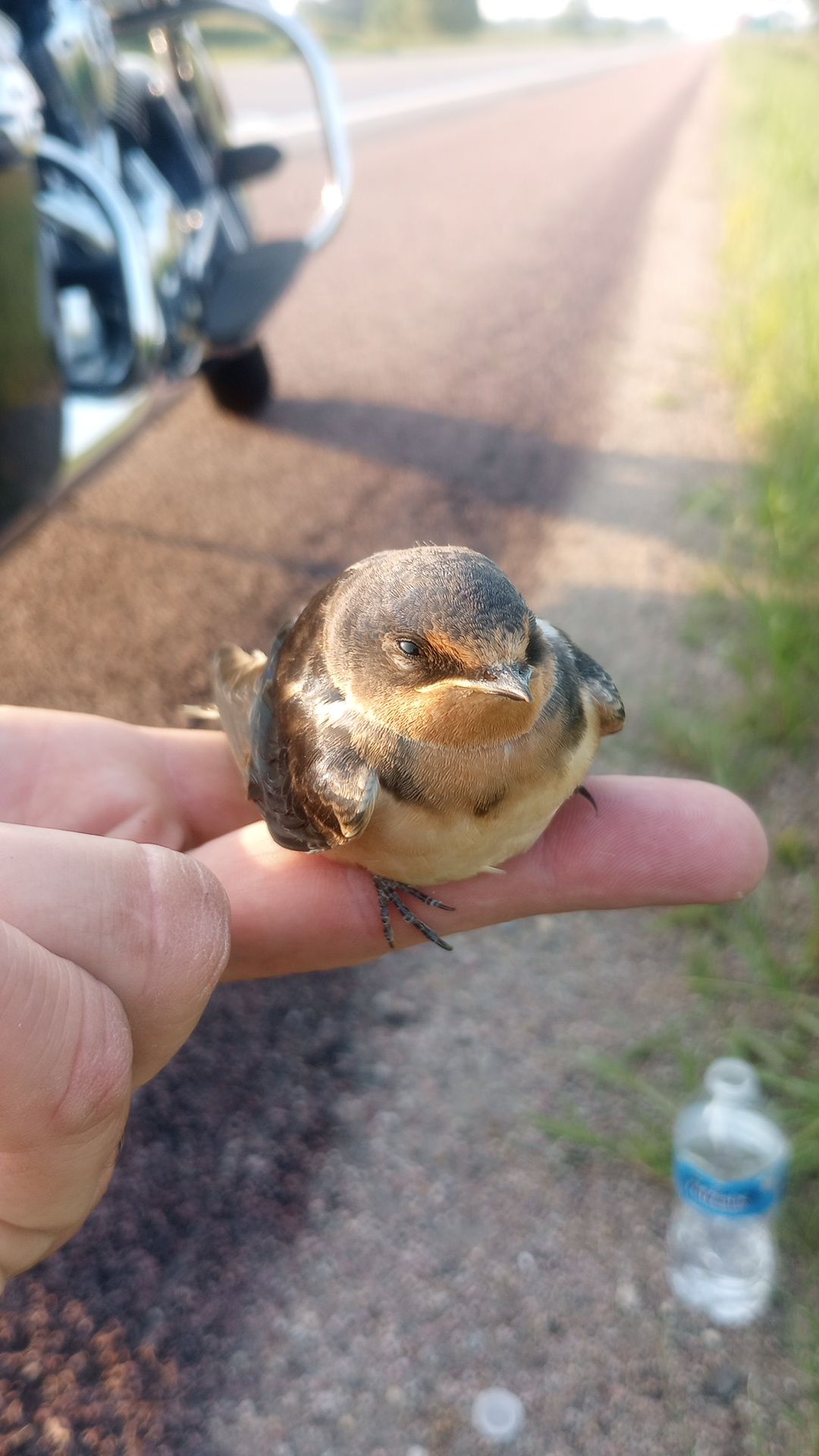 I nearly ran over this injured barn swallow at 70-mph. I turned back and tried to help, but I couldn’t do much besides leave him in shade and cover in nearby tall grass.
Since it was hot and I had some time to kill (to let rainstorms move through my path) I decided I soak up some AC at the Bluegrass museum. That wasn’t my only reason of course. While I don’t actively play anymore, I was a gigging musician for many years and played in many a garage band even longer. While bluegrass doesn’t interest me as a player, as a listener and fan of good musicianship, it’s hard not to notice the work done in the genre, especially on fiddle, banjo, and mandolin. The skill ranks up there with some of the best rock guitarists, the main difference being that a rocker is able to make long screaming notes to let their fingers rest, while bluegrass players often sit or stand motionless so they can keep time.
“Home” stretch
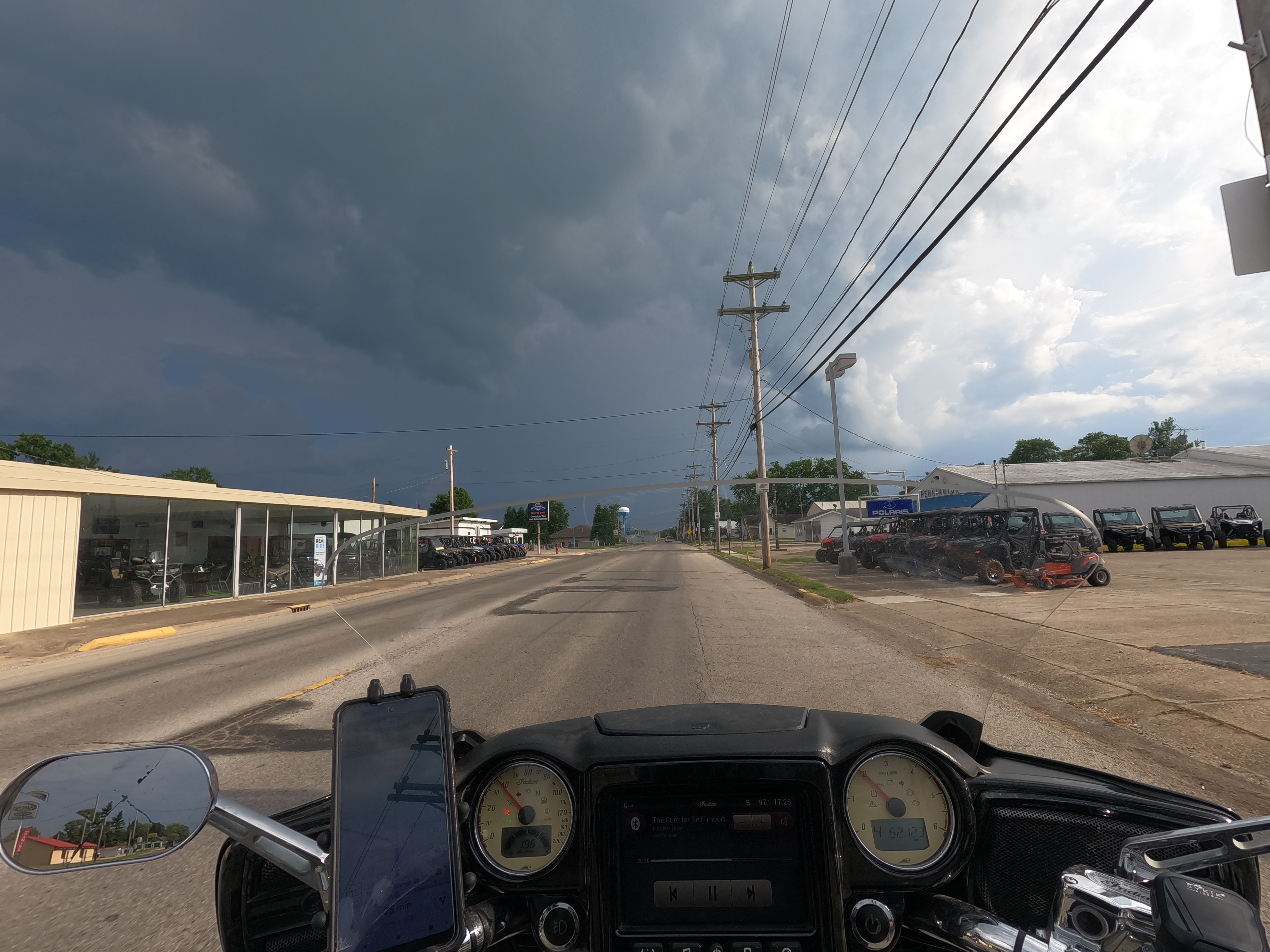
The last few hours were fairly easy, with 4-lane highway for most of it. The only problem was a massive rainstorm that decided to park itself in my path and dissipate its energy. I was only 27-min from the house according to GPS, but this was one of those “wall of water” storms where you can see the line between wet and dry. I was forced to slap on the rain gear and still got soaked in the deluge, only managing 40-mph at times. It was a damn shame to end a good ride like that, but at least I now had time to let my wet gloves and shoes dry out.
Upon reflection, this was well worth it. Looking at the credit card statement shows me just how much it cost, but not having to pack camping gear made the time riding much more enjoyable, as I only needed a small tail bag that Viking Bags gave to me last year. It’s of their XL size but is still small compared to the huge roll top bags and duffel bag styles available. It’s only shortcoming is the lack of a dedicated rain cover. For someone serious about touring, this is a must-have, and my clothes were wet in small patches when I got home.
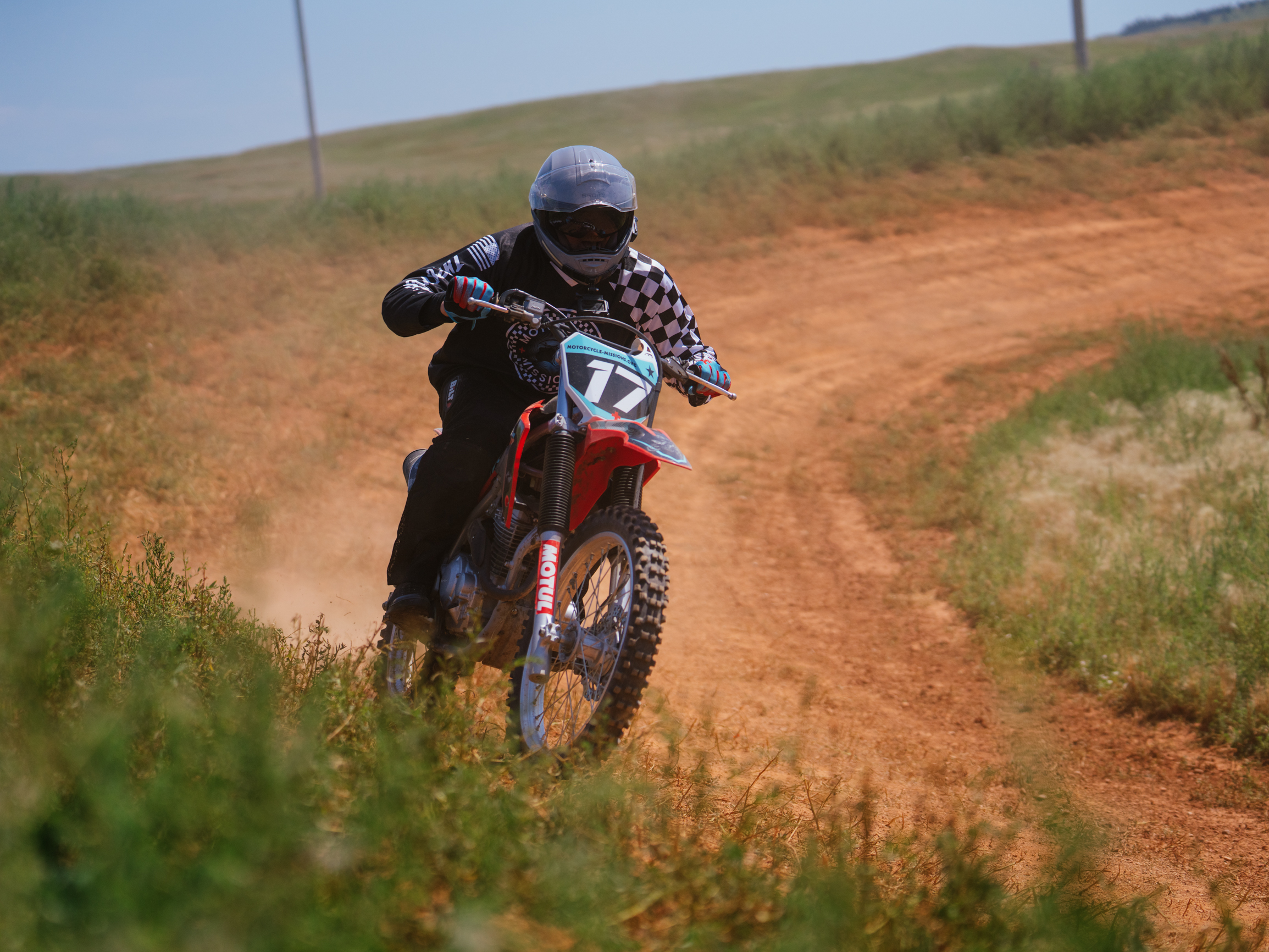
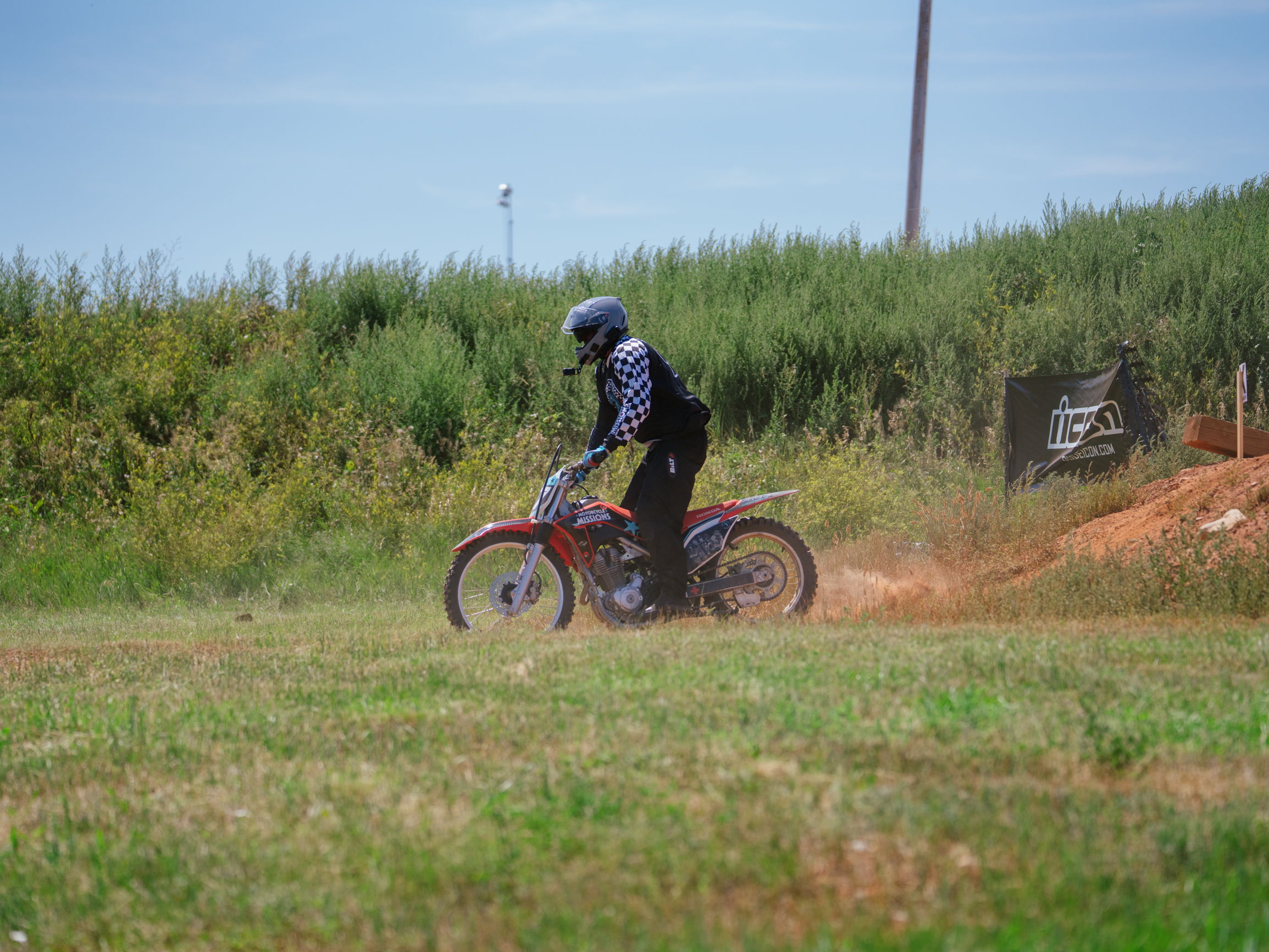
Motorcycle Missions was (and is) a great organization to volunteer for. The people are dedicated and knowledgeable, and the mix of veterans and first responders adds depth, as we are similar but still different in the specifics of how the job affects us. The stress level was just right, as there was a lot to do each day but a lot of people around. That meant you could push hard in the first half of the day or the 2nd half, making the set up and teardown less hectic.
Sturgis itself is still a “meh” at best for me. I already don’t like crowds but the biggest thing is, if you want to truly explore the Black Hills, doing it while traffic is full of part-time riders and speed limits reduced by 10-mph from usual is not the time to do it. This year was smaller than others at least. The main drag, Lazalle (sp?) St., is usually a mess, and takes at least 20-min to get through. This time, at each stop sign we reached, we were usually the 2nd or 3rd set of bikes waiting to go. Normally the entire block is full.
I love the area though, and with Denver having his local knowledge I enjoyed my time more than ever. There is a lot to see and you don’t even have to go to Sturgis to experience the rally. Indeed, I prefer Deadwood and the town next to it, Lead (“leed”). You have to go to the massive campgrounds once though, just to experience it. I had only bee to the Buffalo Chip before, and I was blown away by the Full Throttle Saloon, which is only open the two weeks around the rally and makes all its money for the year in that time.
Old industrial equipment, dozens of motorcycles, and even a cab-over big rig hanging from a wall. Cabins as well as campgrounds, a distillery, countless bars, more than three different stages…it’s a testament to biker life and runaway American-style capitalism, and not in a bad way. I also for the first time noticed 1%er colors in town. To avoid conflict the town limits were considered neutral territory by the outlaw biker clubs.
Now there are two separate stores selling Hells Angels support gear: one of which is open year-round. Still, I didn’t just see HA patches riding around town, but also the Outlaws MC and the Sons of Silence MC. Interestingly I also saw them riding solo, which indicates they aren’t worried about any kind of fights or simmering tensions boiling over. It’s not my world but I also keep an eye on that sort of thing since I find myself in the same spaces as the MC’s from time to time. Situational awareness does not go away after you leave the military.
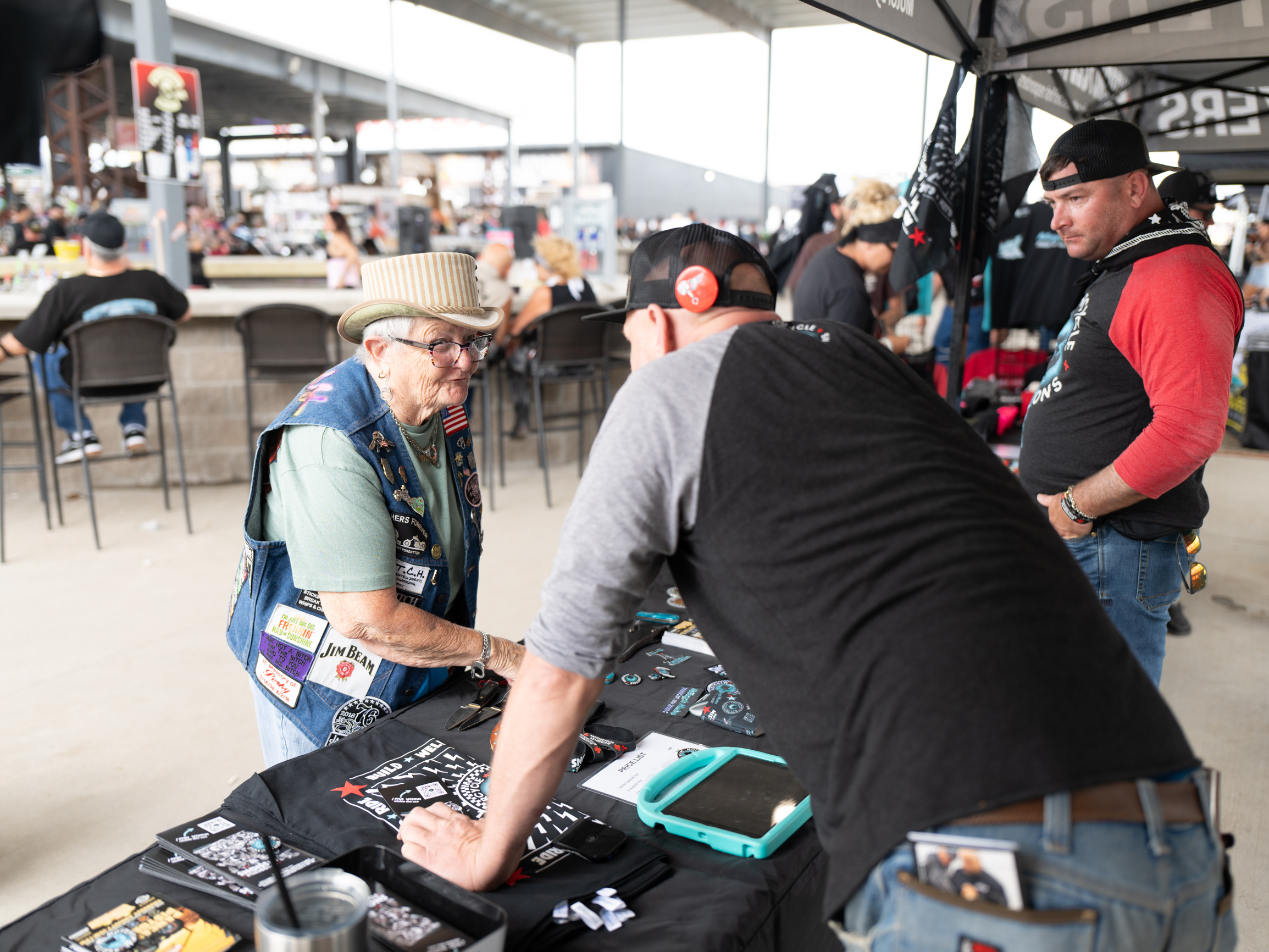
But everyone for the most part is there for a good time. I was there to support Motorcycle Missions, but I also wanted to enjoy myself. And I did. I finally saw Wild Bill Hickok and Calamity Jane’s graves, got in some early morning rides when there isn’t much traffic, saw some new spots, walked around Main St., and I even found $4.00 hot dogs, which is a great deal at the rally and makes a cheapskate like me happy.
That’s it for now, but I’ll be looking to increase my involvement with Motorcycle Missions in the coming months, but I also need to get serious about my book, which has been stalled since April due to one thing or another. Thanks for tuning in, and look for a new update to my “Biker B movies” series, soon.
 Johnny Killmore